
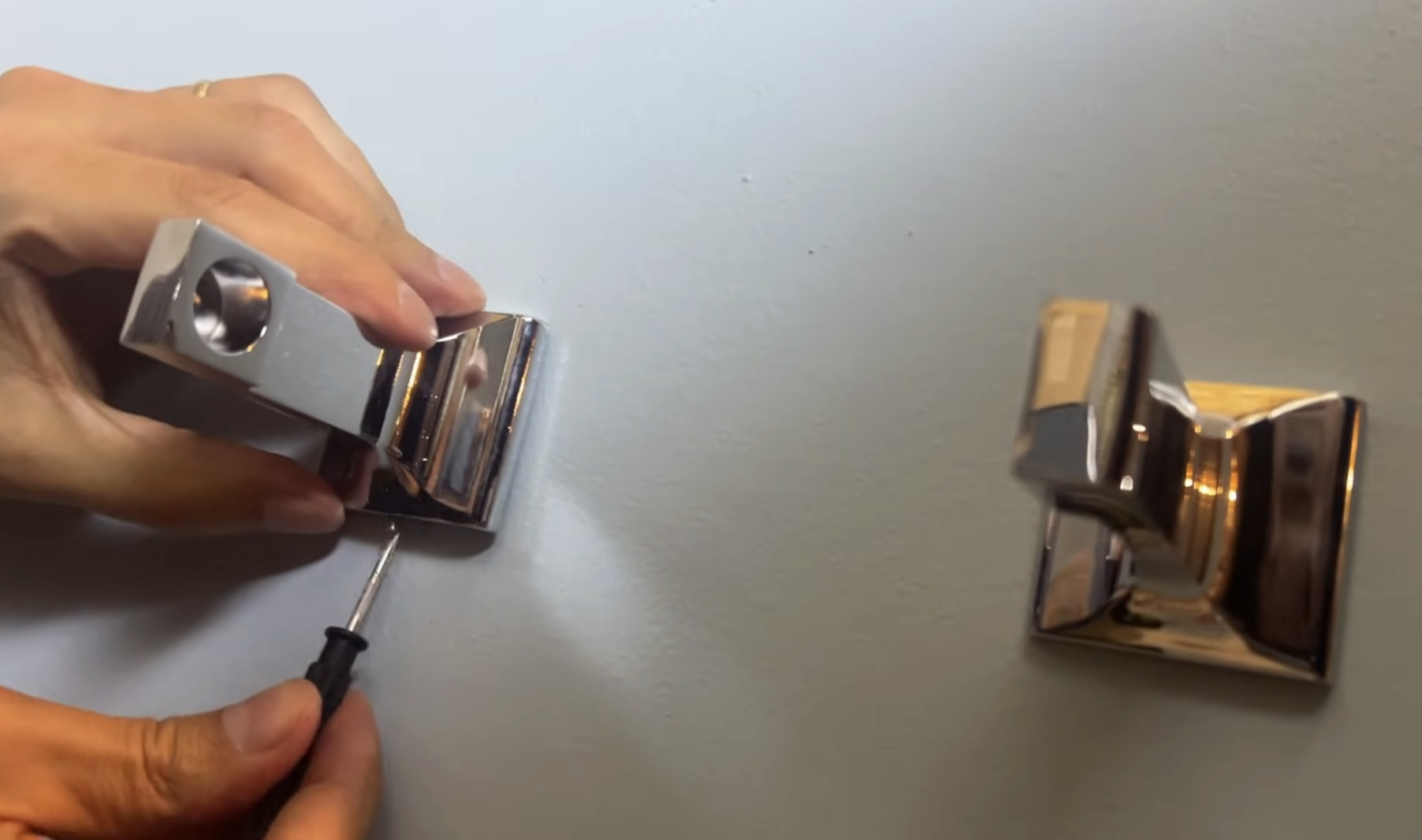
Permanently Fix Loose Toilet Paper Holders and Towel Bars
If you own a home long enough, a loose toilet paper holder or sagging towel bar is almost guaranteed.
You tighten the screws, it feels solid… and a few weeks later it’s wobbly again—or on the floor.
The problem usually isn’t you.
It’s the cheap plastic anchors that come in the box.
This guide (based on the Permanent Fix For Loose Toilet Paper Holders and Towel Bars video from Home Rapid Repair) walks you through:
- Why the factory hardware always seems to fail
- Two much stronger types of drywall anchors you should be using instead
- Step‑by‑step repairs for both toilet paper holders and towel bars
- Extra pro tips pulled from real‑world feedback in the YouTube comments
You absolutely can do this repair yourself.
Why Your Toilet Paper Holder or Towel Bar Keeps Coming Loose
Most bathroom accessories ship with small, thin “hollow core” plastic anchors:
- They’re designed for very light loads
- When you tighten the screw, the anchor often spins in the drywall
- Daily vibration (pulling towels, yanking toilet paper) slowly enlarges the hole
- Eventually the anchor tears out completely
These anchors might be fine for a small, light picture frame, but they’re terrible for anything you touch every day.
Rule #1: When you open the box and see those cheap plastic anchors—throw them away.
Instead, you want anchors that either bite aggressively into the wall or lock onto the back side of the wall so they can’t pull out.
The Two Anchors You Actually Want in Your Bathroom
1. Heavy‑Duty Self‑Drilling Drywall Anchors
These are the big plastic (or metal) screw‑in anchors with deep, aggressive threads.
Why they’re better:
- Much larger surface area than the tiny kit anchors
- The threads cut into drywall or plaster and hold tight
- For many models, you don’t even have to pre‑drill—they screw right in
- Perfect for: toilet paper holders, light towel rings, small hooks
When you drive the screw in, the anchor expands slightly and locks itself in place. Many of these are rated for around 80 lbs—far more than a roll of toilet paper.
Pro tip from experienced DIYers:
Start them with a drill if you like, but finish tightening by hand. Over‑torquing with a drill can strip the drywall and weaken the anchor.
2. Strap / Toggle‑Style Heavy‑Duty Anchors
For towel bars and anything that gets serious abuse, step up to strap-style hollow wall anchors (often called toggles or strap toggles).
They consist of:
- A metal anchor that folds to fit through a pre‑drilled hole
- A plastic strap or holder that lets you pull the metal piece snug to the back of the wall
- A break‑off collar/strap that you snap off once it’s tight
Why they’re awesome:
- The metal piece flips open behind the drywall and clamps the wall from the back
- Rated for hundreds of pounds in many cases
- You usually need only one per bracket, not two
- Excellent for: towel bars, heavy shelves, coat hooks, grab‑rail‑style loads (but see safety note below)
Once installed, the bar is so solid that in some cases the bar will bend before the anchor pulls out. (One viewer discovered this the hard way after stress‑testing his new anchors—bar bent, anchors stayed put.)
Tools and Materials You’ll Need
For the fixes below, gather:
- Heavy‑duty self‑drilling drywall anchors
- Strap / toggle‑style hollow wall anchors
- Drill and bits (often a ½” bit for strap/toggle anchors – check your package)
- Phillips screwdriver
- Level
- Pencil
- Tape measure
- (Optional) Stud finder
Fixing a Loose Toilet Paper Holder (Permanent Repair)
Let’s start with the easier one: the toilet paper holder.
Step 1: Remove the Holder and Old Hardware
- Look underneath the decorative side pieces (the “escutcheons”) for a small set screw.
- Loosen the set screw and slide the holder off the wall brackets.
- Remove the screws holding the wall brackets.
- Pull out the old cheap plastic anchors. If they spin, carefully pry or wiggle them out.
Patch any really destroyed holes with spackle if needed and let it dry.
Step 2: Install Heavy‑Duty Self‑Drilling Anchors
- Mark the bracket locations on the wall.
- If the old holes are usable and not blown out, you can widen them slightly; otherwise, choose fresh spots just nearby.
- Place the tip of the heavy‑duty drywall anchor on your mark.
- Screw it into the wall:
- You can use a drill on low speed to get it started,
- But finish by hand to avoid stripping the drywall.
The aggressive threads will bite into the wall and hold very firmly.
Step 3: Re‑Attach the Brackets and Holder
- Line up the bracket over your new anchor.
- Use the screw that came with the anchor, not the original flimsy one.
- Tighten the screw snugly—don’t overdo it.
- Slide the toilet paper holder back over the brackets.
- Tighten the small set screw underneath to lock it in place.
That’s it. You now have a much stronger mount than anything that came in the original kit. Under normal use, this should last for many years.
Installing or Repairing a Towel Bar (Strap Anchor Method)
Towel bars get abused: people yank on them, lean on them, and occasionally use them as mini pull‑up bars. For this, go with the strap/toggle‑style anchors.
Step 1: Choose the Height and Location
- Standard towel bar height is about 48″ (4 feet) from the floor.
- In many bathrooms you’ll adjust this:
- Higher if it’s over a toilet
- Lower for kids’ bathrooms
- Hold the towel bar in place and decide what looks and feels right for your space.
When you’re happy:
- Use a level to keep things straight.
- Mark the center of each bracket location lightly with a pencil.
Step 2: Drill the Anchor Holes
Most strap/toggle anchors require a ½” hole (verify on the package).
- Place your drill bit on the mark.
- Drill straight in, making a clean hole through the drywall.
- If your towel bar bracket has a template, tape or hold it level on the wall and mark the hole location exactly where the anchor will go.
You don’t need to find a stud for these anchor types—they are designed specifically for hollow wall installations.
Step 3: Insert and Set the Strap Anchors
- Take your strap/toggle anchor.
- Fold the metal piece so it’s in line with the plastic strap.
- Insert the metal end first into the hole, at a slight angle if needed.
- Push it through until it pops behind the wall and flips open. (You can often hear or feel it click.)
- Slide the plastic collar/strap tight against the wall while lightly pulling out on the strap to snug the metal piece to the back of the drywall.
- When it’s tight to the wall, bend and snap off the excess strap.
You’ve now created a front‑and‑back “clamp” on the drywall. It’s incredibly strong.
Step 4: Attach the Towel Bar Brackets
Your towel bar kit includes its own metal brackets and screws.
- Place the bracket over the new anchor so the screw hole lines up with the anchor’s threaded insert.
- Use the screw supplied with the anchor, not the original kit screw.
- Tighten it down firmly. You only need one of these heavy‑duty anchors per bracket.
- Repeat for the second side.
When you’re done, gently tug on each bracket—they should feel rock solid.
Step 5: Mount the Towel Bar
- Loosen the small set screw on the decorative ends of the towel bar.
- Slide the decorative ends onto the installed brackets.
- Place the bar between them (one side at a time).
- When everything is seated correctly and level, tighten the set screws to lock the ends onto the brackets.
Give the bar a few test pulls. It should feel dramatically stronger than a typical builder‑grade install.
Reality check: One viewer tested this by pulling down hard on the middle of a 24″ bar.
The anchors held so well that the bar itself bent before anything came loose.
Safety Note: Don’t Use TP Holders or Towel Bars as Grab Bars
Even with heavy‑duty anchors, toilet paper holders and towel bars are not safety grab bars.
- A surprised guest once used a reinforced TP holder as an assist bar to stand up—and still managed to rip it out of the wall.
- If someone in your home truly needs support getting up or steadying themselves, install proper, code‑rated grab bars mounted into wall blocking or studs.
You can still use the methods in this article to relocate holders so at least one side hits a stud for extra security, but they should never replace a real grab bar where safety is involved.
Extra Pro Tips From Pros & DIYers
The YouTube comments on this repair are full of practical wisdom. Here are some of the best takeaways, paraphrased:
- Don’t over‑tighten self‑drilling anchors with a driver.
Start them with a drill, finish by hand so you don’t pulverize the drywall around them. - Metal self‑drilling anchors are even tougher than plastic.
If you’re working in older walls or want extra peace of mind, metal versions are a great upgrade. - Those tiny “universal” plugs are often meant for masonry, not drywall.
They may work beautifully in concrete or brick, but they’re outmatched in hollow drywall. - If you’re building or remodeling and the wall is open, add blocking.
Contractors sometimes install a 2×4 between studs where towel bars and TP holders will go. That gives you solid wood to anchor into and eliminates the need for hollow-wall anchors altogether. - For hammered old plaster/lath walls, strap anchors are a lifesaver.
They spread the load behind the wall where the plaster is strongest and don’t rely on fragile surface layers.
Quick FAQ
Q: Can I reuse the old holes?
A: If the holes are only slightly enlarged, you can often reuse them with a larger heavy‑duty anchor. If they’re badly blown out, move your bracket slightly and start with fresh wall.
Q: Do I really only need one strap anchor per bracket?
A: In most cases, yes. These anchors are rated for very high loads, and one per bracket is typically more than enough for a towel bar. Always check the rating on the package.
Q: What if I hit a stud?
A: Lucky you. Skip the hollow‑wall anchor and attach that side with a wood screw directly into the stud. For the other side (if it’s not on a stud), use one of the heavy‑duty anchors above.
Q: Can I use these methods to hang a TV?
A: A few viewers have used heavy‑duty anchors in creative ways for other projects, but a wall‑mounted TV is a much higher‑risk installation. In most cases, you should be into studs or a proper rated mounting system, not hollow‑wall anchors alone.
Wrap‑Up
A loose toilet paper holder or towel bar isn’t just annoying—it’s a sign that the wrong hardware was used in the first place.
By:
- Throwing away the flimsy kit anchors
- Upgrading to heavy‑duty self‑drilling anchors for lighter fixtures
- Using strap/toggle‑style anchors for towel bars and high‑abuse mounts
…you’ll end up with a stronger‑than‑new installation that should last for years.
If you want to see the process in action, this article is based on the Permanent Fix For Loose Toilet Paper Holders and Towel Bars video from Home Rapid Repair—well worth a watch while you gather your tools.
And remember:
You can absolutely do this yourself.
